
These two belong to the same chemical group, methylxanthenes. Both have similar properties, However they are antagonists. During 1800s caffeine was the prime anti-asthmatic drug to dilate bronchial tubes, but in 1920s theophylline replaced caffeine and it is still prescribed.
Caffeine can help to prevent and treat asthma symptoms. If we make observations, the coffee drinkers appear to have less asthma, but do not drink much, maximum three cups will do the good. It is also almost equal to a standard dose of theophylline.
If toxic level of theophylline is found in blood of the patients who take regular doses, we recommend strong coffee which can excrete theophilline very quickly from the body, thus preventing the toxic effects.
Three to four cups of strong black coffee is a good emergency treatment for an asthmatic attack which is as effective as theophylline.
Monday, January 18, 2010

Monday, December 28, 2009

Whether it is green or black or oolong or white tea all are coming from the same tea plant, Camellia sinensis. Two leaves and a bud we take from the plant and prepare and cure it in different way to get all these four teas.
Tea is the most widely drunk beverage in the world after water. The way you prepare tea is important for its taste and they are
• For green tea - 80 to 85 degrees C (176 to 185 degrees F)
• For black tea - boiling water 99 degrees C (210 degrees F)
• For oolong tea 90 to 100 degrees C (194 to 212 degrees F)
• For whire tea 66 to 71 degrees C (150 to 160 degrees F)
During preparation green tea has minimum oxidation and this is the reason why it has more antioxidants. The polyphenols, catechins and epigallocatechingallate are powerful antioxidants. Green tea contain certain carotenoids, tocopherols, vitamin C, many important minerals such as chromium, manganese, selenium and zinc and several other phytochemicals which are good for our health. Green tea also has caffeine, theophylline and theobromine and these belong to the methylxanthine. Methylxanthine stimulates the nervous system, relaxes smooth muscles in the airways to the lungs, stimulates the heart and acts as a diuretic (more urine). Even today thyophylline is the best medicine for asthma.
The amount of caffeine depends the amount of tea you take and the time you have taken to prepare irrespective of green or black teas. I has, anyhow, less caffeine than coffee. One cup of tea contains about 50 mg caffeine as compared to coffee, which contains 65 to 175 mg.
Black tea is also made from the two leaves and a bud but is dried during preparation and so more oxidation happens. This drying process of black tea is called fermentation and has nothing to do with normal fermentation. This reduces the amount of the antioxidants. Black tea contains the polyphenols like catechins, anthocyanins, theaflavin, thearubigens, phenolic acids and tannin, trace elements and vitamines. Black tea has also the methyxanthine chemicals.
Green tea is richer in antioxidants, has less caffeine and doen not stain the teeth, but black tea tastes more with its fuller flavour. So my advice is drink both the teas, pure drinking water and leave all the other soft beverages except freshly pressed fruit juices. This is very healthy. The recent research says not only epigallocatechin gallate found itn green tea but also the theaflavins and thearubigens found in black tea are responsible for the health effects.
There are many studies about the good effect of tea on heart, kidneys and its anti-cancer qualities. You must have your lifestyle in such a way that there are only little risk factors. If you live unhealthy and rape your body even the best green or black teas can’t help you
Sunday, November 29, 2009
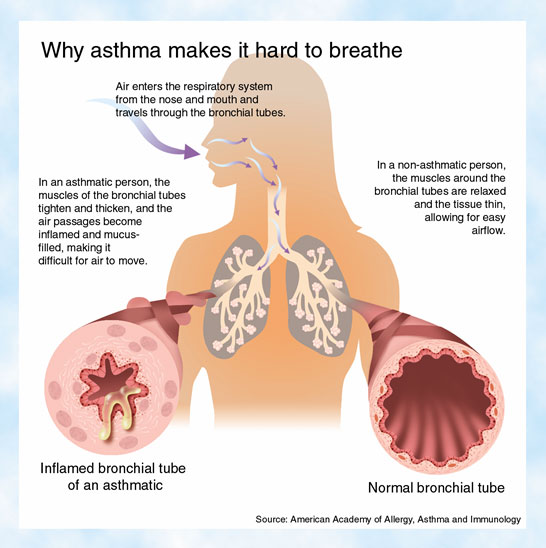
Many children develop asthma, which eventually they grow out of. The triggers associated with asthma include:
• Allergies
• Stress
• Exercise
• Cold air
Genes may also play a role who is getting asthma and who not.
The symptoms of asthma include:
• Wheezing
• Coughing
• Chest tightness
• Short of breath
Early detection, diagnosis and treatment is important, otherwise asthma could become a life-threatening disease.
25% of the children will develop asthma and the percentage is not increasing, but only staggering.
The children must get enough breast milk as long as possible. The antibodies and the combination itself is the best for the infant to develop its immune system. Try to avoid cow milk for the infants till 12 months and here we observe these children get less allergies and asthma. If you are not having enough breast milk, select other food, but not milk or milk powder based formulas. Now-a-days without any problems this could be done.
Good medicines are available. Theophylline is the medicine used and it belongs to the group of thioxanthenes. Caffeine also belongs to this group and is good for persons who have asthma. But there is no cumulative effect from both. If we find theophylline values in toxic levels we ask the patient to drink four cups of strong coffee and the caffeine present there helps for the quick excretion of theyphylline.
Asthma is one of the fastest growing health problems in all developed countries.
This a short article to give you quick information.
You might also like...
Subscribe


 Posts
All Comments
Posts
All Comments
Dr.K.Padmanaban Ph.D

Click the image to see my profile